Start writing herThe Backbone of Industry: Understanding Production in Manufacturing
Manufacturing is the process that turns raw materials into the products people use every day — from the phone in your pocket to the car in your driveway. At the heart of manufacturing lies production: the organized sequence of activities that transforms inputs into finished goods. It's not just about machines running on a factory floor; it's a carefully engineered system involving people, technology, materials, and processes working in harmony to deliver quality and value at scale.
The Production Process — Where Raw Materials Meet Precision
Production begins long before a product reaches the shelf. It starts with planning: determining what to make, how much to make, and what resources are needed. Manufacturers must forecast demand, source raw materials, and design workflows that minimize waste while maximizing output. This planning phase sets the tone for everything that follows.
Once planning is complete, the actual production process unfolds in stages. Raw materials are inspected for quality, then moved through various transformation steps — cutting, molding, assembling, welding, or chemical processing, depending on the industry. Each stage is monitored closely, because a single flaw introduced early can cascade into costly defects later.
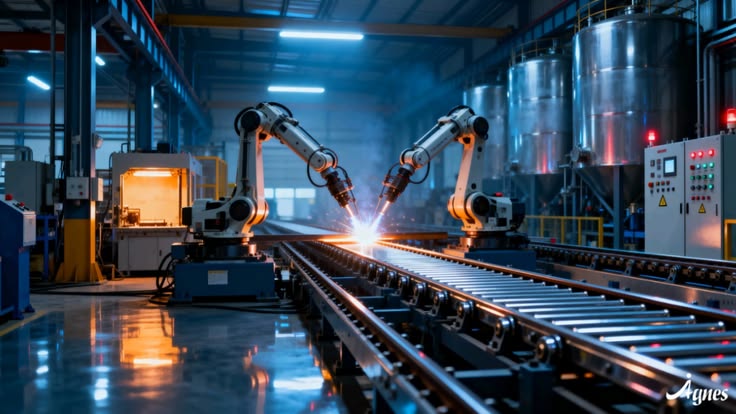
Modern factories rely heavily on automation and robotics to maintain consistency. Machines handle repetitive, precise tasks — such as installing components on a circuit board or welding car frames — with a level of accuracy that reduces human error and increases speed. Yet human oversight remains essential. Skilled workers monitor equipment, troubleshoot issues, and ensure that automated systems are functioning correctly. This blend of human expertise and machine efficiency is what makes modern production lines so powerful.
Quality control is woven throughout the process, not just applied at the end. Sensors, cameras, and inspection stations check products at multiple checkpoints, catching defects before they multiply. This approach, often called "in-line quality assurance," saves companies significant time and money by preventing large batches of flawed products from reaching customers.
Lean manufacturing principles also play a major role in shaping today's production floors. Concepts like just-in-time inventory, waste reduction, and continuous improvement (kaizen) help companies stay competitive by cutting unnecessary costs while maintaining high standards. Factories that embrace these principles tend to be more agile, better able to adapt to shifts in demand or supply chain disruptions.
Different industries also apply production differently. In discrete manufacturing — think electronics, furniture, or automobiles — individual, distinct units are assembled from separate components, and each unit can be tracked and inspected on its own. In process manufacturing, such as chemicals, food, or pharmaceuticals, raw materials are blended, cooked, or reacted together, and the "product" isn't easily broken back into its original parts. Understanding which category a business falls into shapes everything from factory layout to inventory management to how quality is measured.
Supply chain coordination is another invisible pillar of production. A single delay in receiving a component — a microchip, a bolt, a shipment of resin — can stall an entire line. That's why many manufacturers now build in supplier redundancy, safety stock, and closer real-time communication with vendors, especially after recent years exposed just how fragile global supply chains can be.
The People, Technology, and Future of Manufacturing
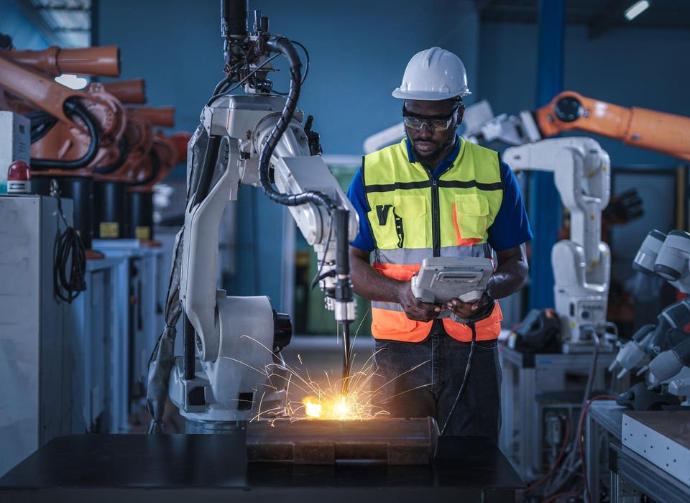
While machines and processes are central to production, people remain the driving force behind manufacturing success. Engineers design the systems, technicians maintain the equipment, and floor workers execute daily operations. Training and safety are paramount — a well-trained workforce not only produces better results but also reduces workplace accidents and downtime. Companies that invest in employee development often see higher productivity and lower turnover, proving that human capital is just as important as physical capital in the production equation.
Digital twins — virtual replicas of physical production systems — are also gaining traction. These allow engineers to simulate changes to a production line before implementing them physically, reducing risk and speeding up innovation. Combined with cloud-based analytics, manufacturers can now make data-driven decisions faster than ever before.
Sustainability has become another defining factor in modern production. Companies are increasingly focused on reducing energy consumption, minimizing waste, and sourcing materials responsibly. Circular manufacturing practices — where materials are reused or recycled within the production cycle — are gaining popularity as businesses respond to both regulatory pressures and consumer demand for environmentally responsible products.
Looking ahead, the future of production will likely be defined by even greater integration between human ingenuity and machine intelligence. Collaborative robots, or "cobots," are already working alongside humans on assembly lines, handling physically demanding tasks while leaving complex decision-making to people. As artificial intelligence continues to mature, it will play a growing role in optimizing production schedules, predicting supply chain disruptions, and personalizing manufacturing for smaller, more customized product runs.
Reshoring and regional manufacturing hubs are another trend worth watching. After years of relying on distant, low-cost production, many companies are moving operations closer to their end markets to reduce shipping times, lower carbon footprints, and gain more control over quality and supply security.
Conclusion
Production in manufacturing is far more than an assembly line — it's a dynamic, evolving system that blends human skill, technological innovation, and strategic planning. As industries continue to embrace automation, data analytics, and sustainable practices, the manufacturing sector will keep transforming, becoming smarter, faster, and more resilient. Understanding this process isn't just useful for those in the industry — it offers insight into how nearly everything we use is made possible.