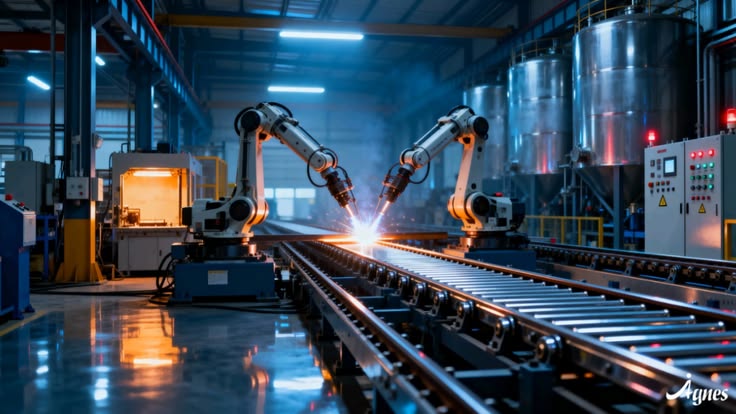
Walk into almost any small or mid-sized manufacturing unit and you'll find the same scene repeating itself. A production supervisor with a clipboard, a spreadsheet that only one person really understands, and a WhatsApp group where half the shop floor updates happen. It works, until it doesn't. A machine goes down, a raw material shortage isn't caught in time, or a customer order gets delayed because nobody realized the bill of materials had changed. These aren't rare events. They're the daily reality of running manufacturing on manual systems.
Odoo MRP (Manufacturing Resource Planning) exists to fix exactly this. It's not a glossy add-on bolted onto a generic ERP; it's a genuine production management system that understands bills of materials, work orders, routings, and the messy reality of a shop floor where things don't always go as planned.
What Actually Breaks Without a Proper MRP System
Most manufacturers we work with didn't start out looking for an MRP module. They started out trying to solve a smaller problem — late deliveries, or raw material stockouts, or confusion over which version of a product's recipe was current. Dig a little deeper and the root cause is almost always the same: production planning is happening in someone's head or in a spreadsheet that isn't connected to inventory, purchasing, or sales.
That disconnect is expensive. When your bill of materials lives separately from your inventory data, you find out you're short on components after the work order has already started, not before. When your routing and work center capacity aren't tracked, you overcommit your shop floor and then scramble to explain the delay to a customer. None of this is a people problem. It's a systems problem.
How Odoo MRP Changes the Day-to-Day
The core idea in Odoo MRP is that manufacturing shouldn't be an island. A bill of materials (BOM) in Odoo is directly linked to your inventory, so the moment a sales order or a manufacturing order is created, the system already knows what components are needed, what's in stock, and what needs to be purchased. Multi-level BOMs handle sub-assemblies cleanly, so a product made of components that are themselves manufactured doesn't turn into a spreadsheet nightmare.
Work orders are tracked against work centers , which means you get real visibility into capacity — not a guess, but actual data on how long operations take and where bottlenecks form. The Manufacturing Operations dashboard (MO) shows exactly what's in progress, what's delayed, and why, in a format the shop floor can actually use through tablet-friendly work order screens rather than paper travellers.
Odoo also supports different manufacturing strategies out of the box: make-to-order, make-to-stock, and even more advanced setups like kit assembly or subcontracting, where a portion of production is outsourced to a third party but still tracked inside the same system. Quality checks can be built directly into specific operations, so a failed inspection stops the process at the right point instead of being discovered three steps later.
The Old Reality
Walk into almost any small or mid-sized manufacturing unit and you'll find the same scene repeating itself. A production supervisor with a clipboard, a spreadsheet that only one person really understands, and a WhatsApp group where half the shop floor updates happen. It works—until it doesn't. A machine goes down, a raw material shortage isn't caught in time, or a customer order gets delayed because nobody realized the bill of materials had changed. These aren't rare events. They're the daily reality of running manufacturing on manual systems.
Where This Gets Real: Traceability and Costing
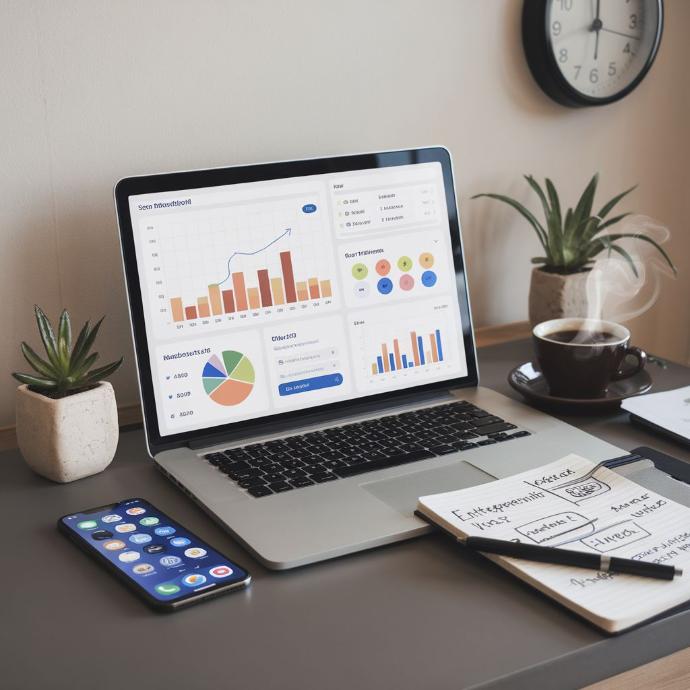
Two things tend to matter most once a manufacturer actually goes live on Odoo MRP: traceability and real costing. If you're in food, pharma, aviation parts, or metal fasteners — industries where a batch or lot number needs to be traceable back to its raw materials — Odoo's lot and serial number tracking ties every component to the finished good it went into. If there's ever a recall or a quality investigation, you're not digging through paper logs; you're running a report.
Costing is the other piece that surprises people. Odoo calculates the actual cost of a manufactured product based on real component costs, labor time, and overhead, not a static number someone entered a year ago. That means your margins are based on what's actually happening in production, which matters enormously when raw material prices are moving, which, in most industries right now, they are.
The Part Nobody Tells You: Implementation Matters More Than the Software
Here's the honest part. Odoo MRP is powerful, but it's not magic. A poorly configured BOM structure or a routing that doesn't reflect how your shop floor actually operates will give you bad data just as easily as a spreadsheet would — except now it looks official. The manufacturers who get real value out of Odoo MRP are the ones who invest time upfront in mapping their actual production process, not just replicating their old spreadsheet inside a new tool.
This is where working with an implementation partner who has actually configured MRP for businesses in your industry makes a difference. At XAMTA INFOTECH, we've set up Odoo MRP for manufacturers across metal fasteners, wooden products, and aviation parts, and the pattern is consistent: the first two weeks of discovery, where we map your BOMs, routings, and quality checkpoints properly, save months of rework later.